BUYER GUIDE ·
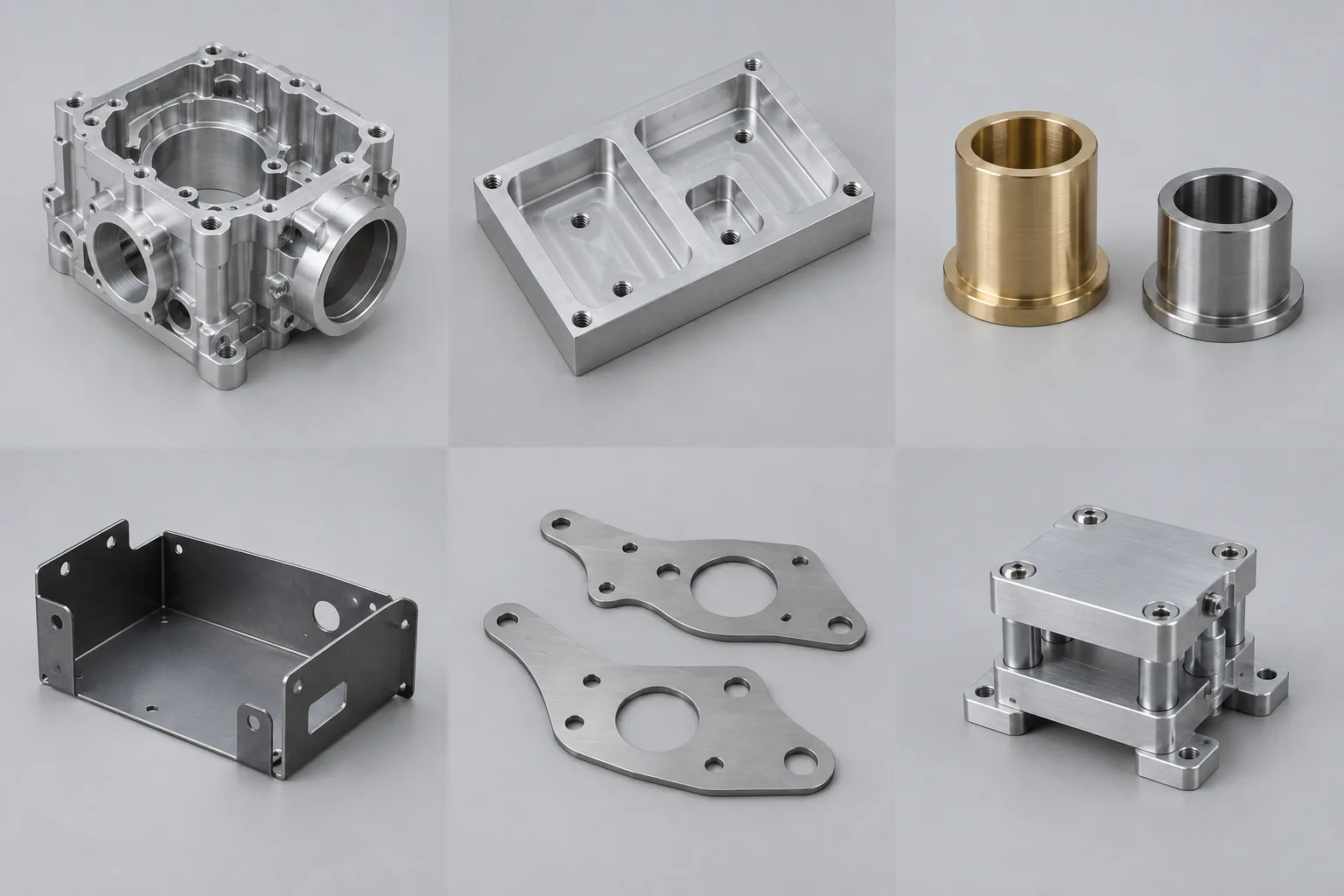
How to specify a metal material
Turn “aluminum” or “steel” into a clearer purchasing specification.
RESOURCE CENTER
Practical guidance for choosing materials, preparing drawings and reviewing a prototype.
BUYER GUIDE ·
Turn “aluminum” or “steel” into a clearer purchasing specification.
BUYER GUIDE ·
Specify appearance, function and masking together.
BUYER GUIDE ·
Make the sample approval specific enough to guide the next order.
DRAWING GUIDE ·
Put geometry, critical requirements and order details in one consistent brief.
DESIGN DECISIONS
Material choices, drawing packages and reference tables for your next part.
PRACTICAL GUIDE ·
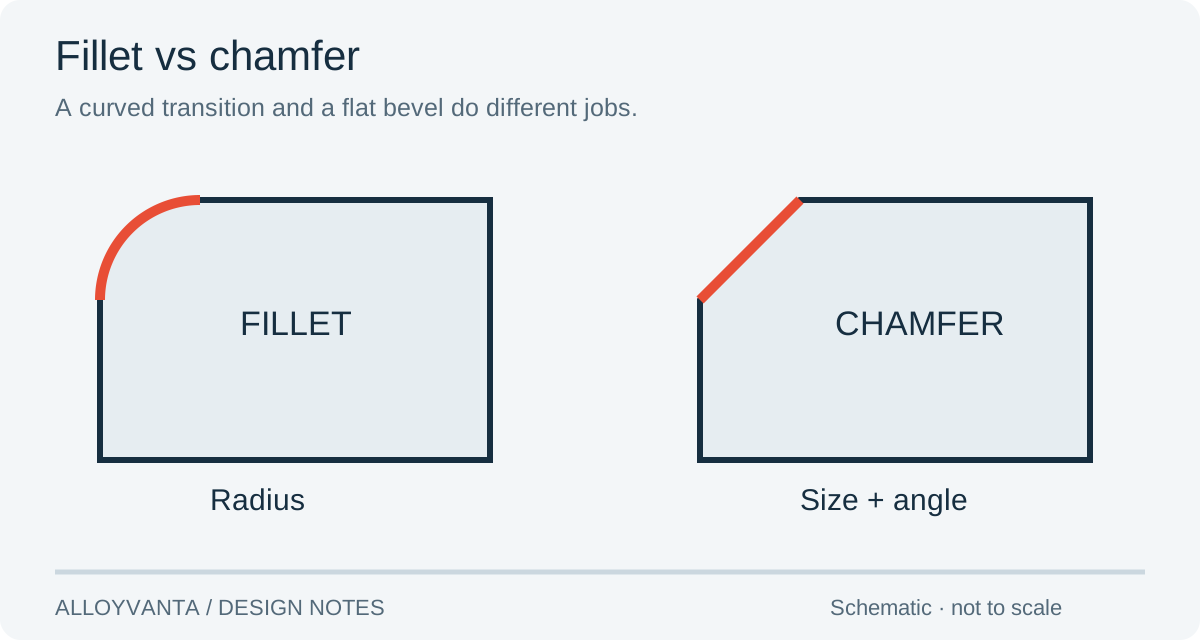
Compare rounded fillets and flat chamfers, internal pocket corners and drawing callouts. Choose an edge detail around fit, function and machining access.
PRACTICAL GUIDE ·
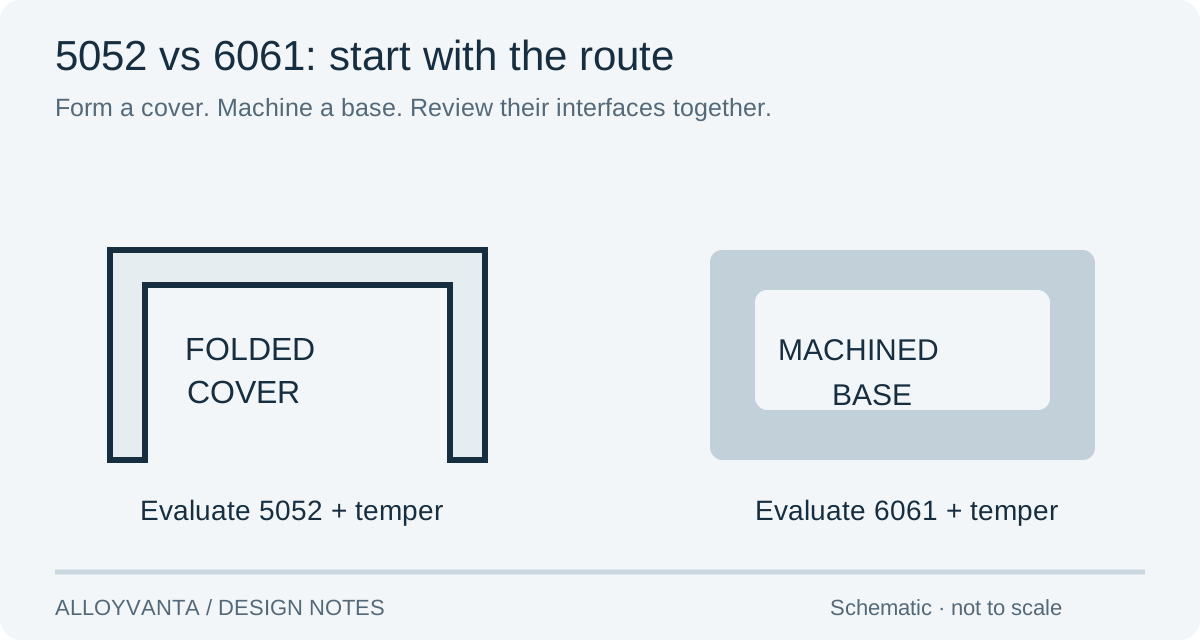
Compare 5052 and 6061 around forming, machining, temper and welded joints. Work through a folded cover and machined base before choosing an alloy.
PRACTICAL GUIDE ·
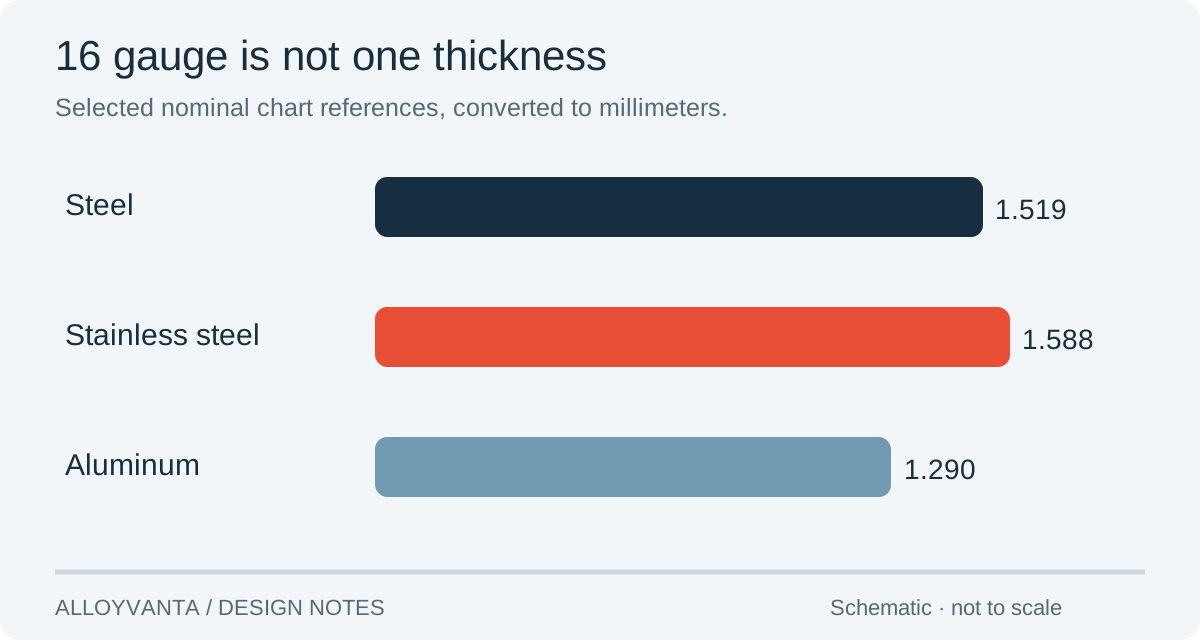
Compare six common sheet metal gauges in inches and millimeters. See why 16 gauge steel is not 16 gauge aluminum and how to specify thickness on a drawing.
PRACTICAL GUIDE ·
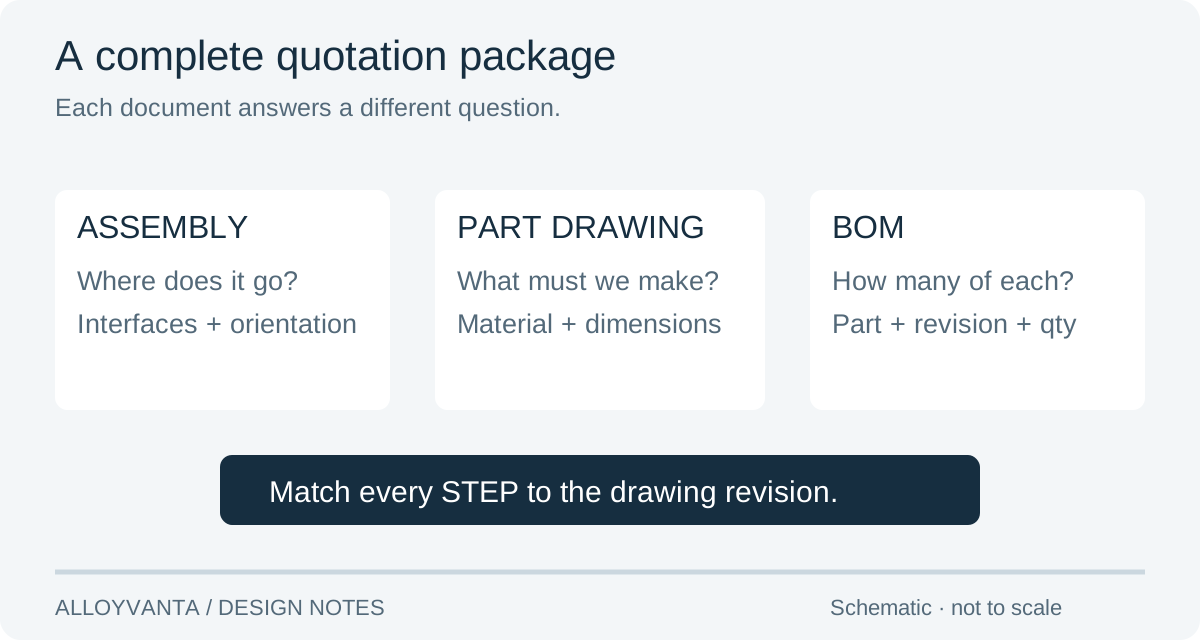
Build a machining quote package with assembly drawings, individual part drawings, a BOM and matching CAD revisions. Includes a quantity example and release checklist.
PRACTICAL GUIDE ·
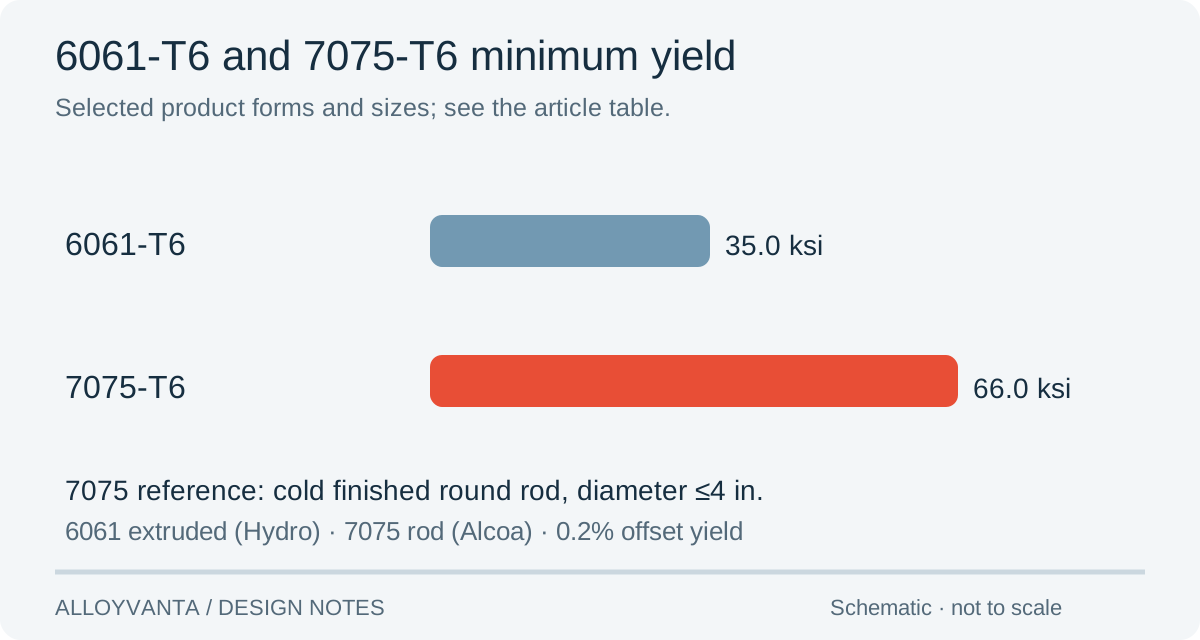
Compare 6061 and 7075 using published datasheet values for strength, machinability, welding and corrosion. Choose the alloy and temper around what the part actually has to do.
PRACTICAL GUIDE ·
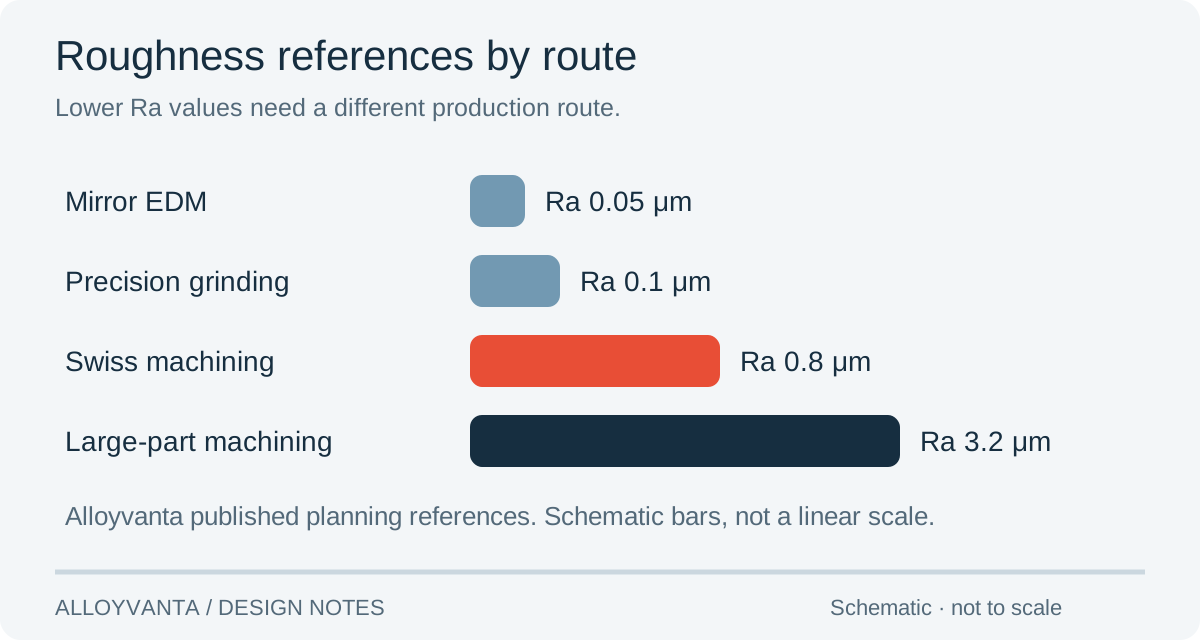
A surface roughness reference for Ra and Rz, with micrometre to microinch conversions, published route references and what a drawing callout needs to be measurable.
LET’S MAKE IT TANGIBLE
Bring a drawing. Bring a sketch. Start the conversation.