Internal corner radii and pocket depths
Include the requirement or identify it as an open question for the project review.
CAPABILITIES
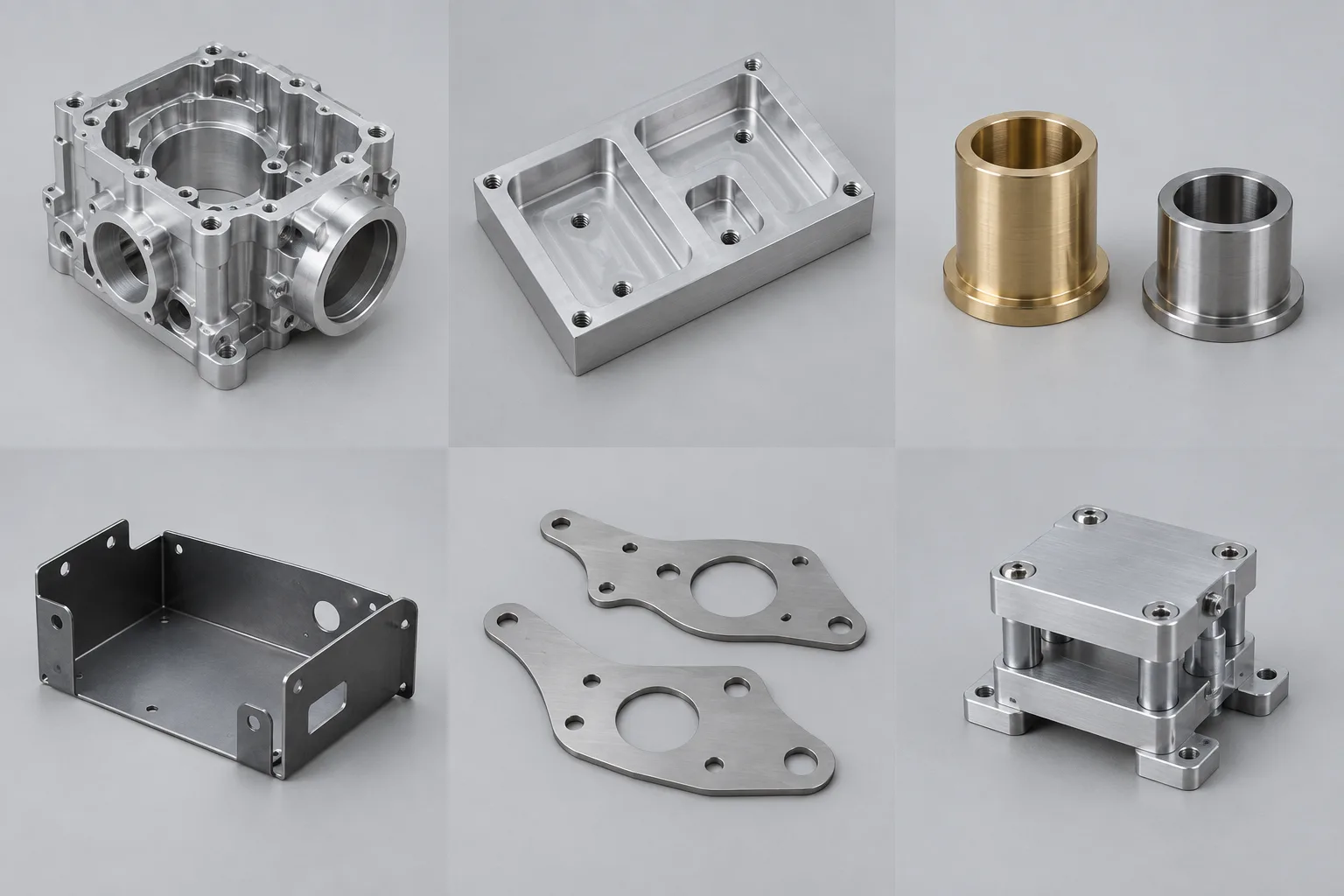
Explore a machining route for prismatic parts, pockets, mounting patterns and contoured surfaces.
A rotating cutter removes material from a secured workpiece. Tool access, corner radii and the number of setups affect how a part is made.
Typical part types: Mounting brackets, machined housings and fixtures.
PREPARE YOUR PROJECT
Include the requirement or identify it as an open question for the project review.
Include the requirement or identify it as an open question for the project review.
Include the requirement or identify it as an open question for the project review.
Identify the application before choosing a grade. Discuss material condition, critical surfaces and whether dimensions apply before or after finishing.
Browse the material libraryYOUR QUESTIONS, ANSWERED
Find practical answers before starting a project.
A round milling cutter leaves a radius. Increase the corner radius, add a relief or discuss a secondary process if the mating part needs a square corner.
Choose “Help me choose” in the inquiry. Explain the application and environment so the options can be reviewed against the function of the part.
We provide a quotation within 24 hours. Estimated delivery is 3–7 days after the order, drawings and required upfront payment are all confirmed: full payment for new customers or the agreed deposit for returning customers. Returning customers pay the balance before shipment.
In-house service
These tables provide process-planning references, not measured limits for a specific machine or factory. Dimensions are in millimeters unless stated otherwise. We confirm the usable size, tolerance, material and inspection requirements together in your quotation.
| Parameter | Reference / planning value | Application |
|---|---|---|
| 3-axis / 4-axis envelope | 1000 × 500 × 500 mm | Workholding and tool reach must fit inside the setup. |
| 5-axis envelope | 4000 × 1500 × 600 mm | Setup-dependent; distinguish from the large-part route. Partner-coordinated five-axis route. |
| Minimum part | 5 × 5 × 5 mm | — |
| 3-axis / 4-axis general tolerance | ±0.1 mm | — |
| 5-axis general tolerance | ±0.05 mm | Critical features require an individual drawing callout. Partner-coordinated five-axis route. |
| Recommended metal wall | ≥0.8 mm | Design recommendation, not the absolute minimum for every geometry. |
| Internal corner radius | ≥ pocket depth ÷ 3 | Design recommendation. |
| Hole diameter / preferred depth | Ø ≥1 mm; depth ≤4 × diameter | Deep holes need a separate tool-access review. |
| Pocket depth | ≤4 × pocket width | Preferred design ratio. |
| Thread depth, Ø1.5–5 mm | 3 × diameter | Specify the thread standard and required engagement. |
| Thread depth, Ø>5 mm | 4–6 × diameter | The 5 mm boundary is reviewed with the drawing. |
| Engraved text | Width ≥0.5 mm; depth 0.1 mm | Width and depth are separate dimensions. |
LET’S MAKE IT TANGIBLE
Bring a drawing. Bring a sketch. Start the conversation.