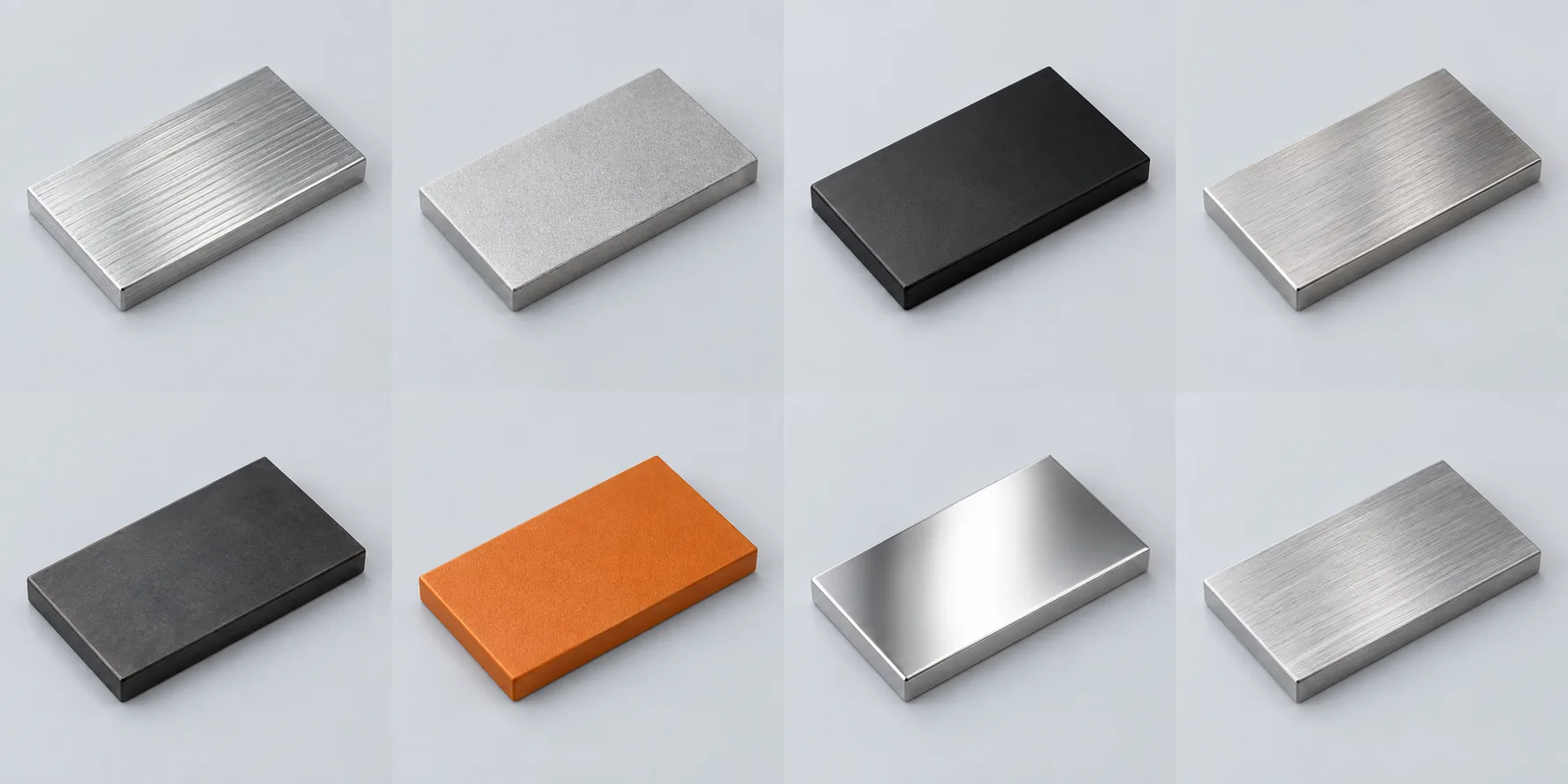
As Machined
Retains the surface left by the cutting process.
MATERIAL LIBRARY
Order CNC machined aluminum parts around their function: a light housing, an accurate mounting plate or a fixture with repeatable locating features. Our listed grade references are 6061-T6, 6082-T6 and 7075-T6.
Compare strength, corrosion exposure and the intended finish. Alloy and temper belong together in the specification; a generic request for aluminum leaves important choices open.
Typical uses: Housings, mounting plates, fixtures.
Grades are inquiry references. Supply, condition and suitability are confirmed in the quotation.
Ask about Aluminum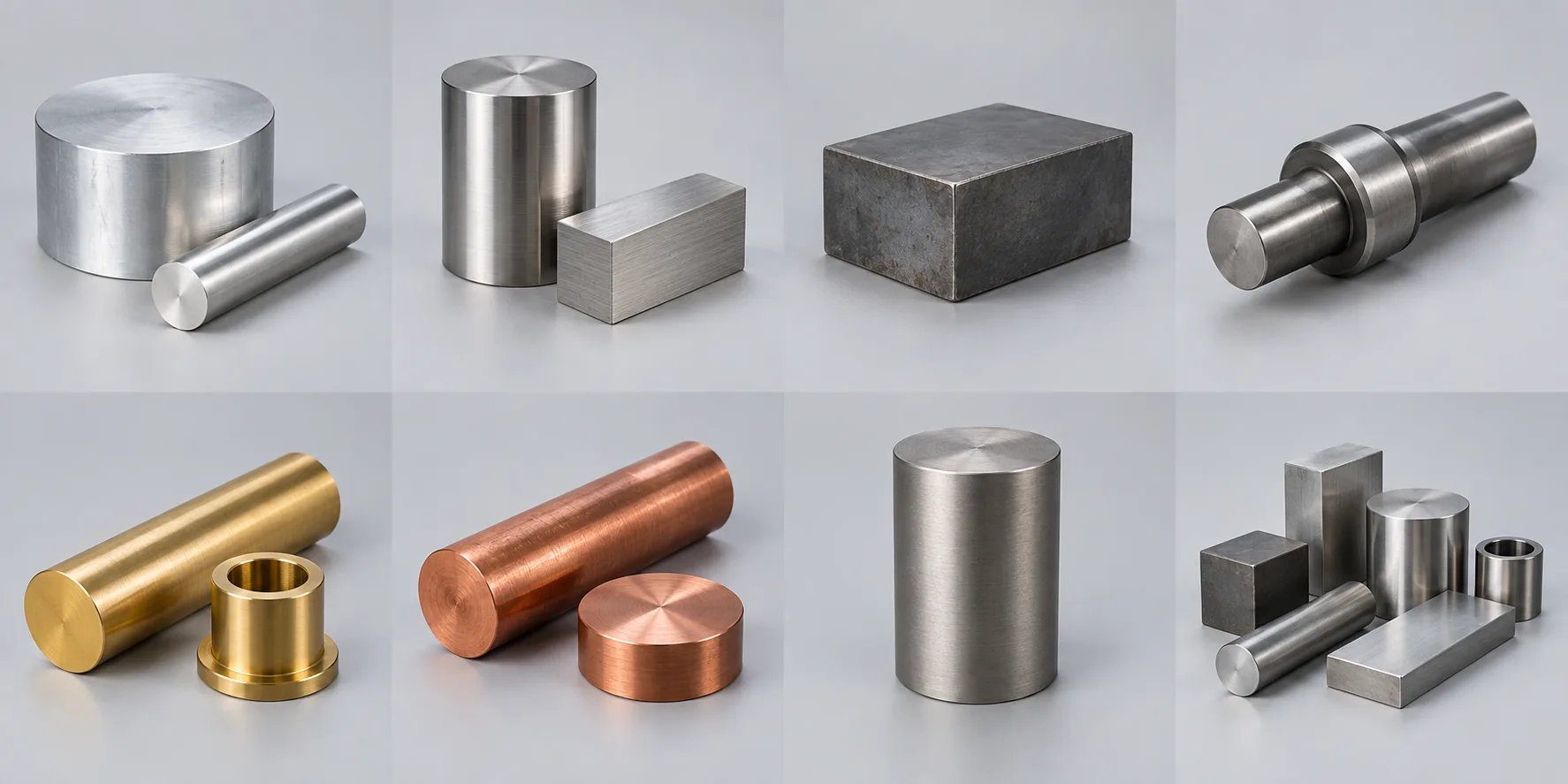
A grade name is the beginning of the brief. We also need the stock form, critical geometry, finish and inspection requirements. A deep pocket in a housing raises different machining questions from a short turned spacer, even when both drawings specify the same alloy.
| Part | Manufacturing question | Useful drawing information |
|---|---|---|
| Machined housing | Can the cutter reach the pocket and leave the required wall? | Pocket depth, corner radii, wall dimensions and lid interface |
| Mounting plate | Which features control alignment? | Datum references, locating holes and flatness where functional |
| Turned spacer | Which surfaces contact the assembly? | Length limits, bore clearance and face requirements |
| Visible cover | How will the surface be accepted? | Cosmetic faces, finish reference and protected contact areas |
6061-T6 is a useful starting point to discuss for many machined aluminum components. A drawing that calls for 6082-T6 or 7075-T6 should retain that designation through quotation and purchasing; a substitution is a separate design decision. If you are choosing the material, explain the load, environment, weight limit and assembly instead of selecting a grade by price alone.
A folded enclosure is a different problem from a block-machined housing. Our 5052 vs 6061 guide compares those routes and explains why temper matters. A material discussed in a guide is a design reference; the quotation identifies the material actually offered.
For anodized aluminum parts, mark bearing seats, threads, electrical contacts and other surfaces that may need masking. State whether drawing limits apply before or after the finish. For visible parts, identify the viewing surfaces and use a finish reference rather than relying on a screen color.
Example: a housing has an anodized exterior and a bore that locates a mating component. The quotation brief should say whether that bore is masked and when its diameter is inspected. Approving only the exterior color leaves the functional interface undecided.
Send the STEP model, PDF revision, exact material and temper, quantity per part and delivery country. For a milled component, the edge and corner guide can help separate functional details from optional appearance work. List any material records or dimension reports needed with delivery.
Production orders start at 100 pieces per part number, counted separately for each part. Prototypes and sample parts are quoted from a single piece. Design-only projects are quoted separately. If you start without a drawing, our design service can develop the brief with you. Quotation within 24 hours.
SURFACE OPTIONS
Retains the surface left by the cutting process.
Creates a textured, low-gloss surface.
Develops an oxide layer on an aluminum surface.
A coating option for suitable metal components.
| Requirement | What to include |
|---|---|
| Designation | Grade, material standard and required condition |
| Application | Environment, mating materials and functional constraints |
| Finish | Appearance reference, masking and critical dimensions |
| Records | Any material or inspection document required with the order |
YOUR QUESTIONS, ANSWERED
Find practical answers before starting a project.
Choose “Help me choose” in the inquiry. Explain the application and environment so the options can be reviewed against the function of the part.
Name the document and the features or tests it must cover in the inquiry. Its availability, scope and cost need to be agreed before the order.
The 6061 and 7075 comparison works through strength, welding, forming and corrosion using published datasheet values. For folded covers and enclosures, compare 5052 and 6061 instead.
LET’S MAKE IT TANGIBLE
Bring a drawing. Bring a sketch. Start the conversation.