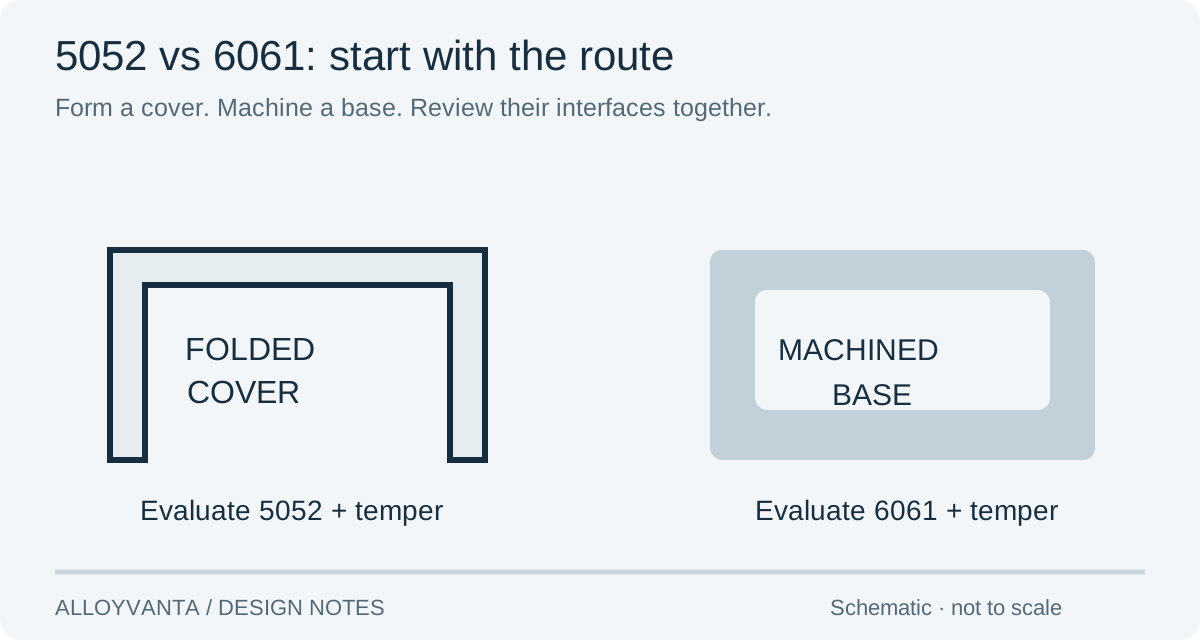
Start with the manufacturing route
For a folded aluminum cover, 5052 is a useful alloy to evaluate. For a pocketed base or other machined component, 6061 is a useful starting point. Then specify the temper, stock form and performance requirements. Comparing only “5052” and “6061” leaves out the conditions that make the choice useful.
5052 is a non-heat-treatable alloy with good forming characteristics. 6061 is heat-treatable, and its condition affects machining, forming and strength near welded joints. The material producer’s data should be read for the actual product form, not treated as a universal value for every sheet, bar or extrusion.
| Decision | 5052 | 6061 |
|---|---|---|
| Initial route to evaluate | Formed sheet covers and brackets | Machined bases, housings and structural shapes |
| Strengthening distinction | Not strengthened by precipitation heat treatment | Heat-treatable; specify the condition |
| Bending question | Review temper, thickness and bend geometry | Do not assume a T6 part will accept a tight bend |
| Purchase specification | Alloy, temper, sheet thickness and standard | Alloy, temper, stock form and standard |
Example: one enclosure, two different parts
Consider a design-review example with a folded lid and a machined base. The lid has two side flanges and clearance holes. The base contains a recessed seat and tapped mounting holes. Choosing one alloy for the whole assembly sounds simpler, but the two parts ask different things of the material.
First decide how the lid is formed and how its finished dimensions will be checked. For the base, identify the locating faces and threads. Then compare candidate materials within each route. The bill of materials can legitimately specify two alloys, provided the appearance, environment and joining requirements are reviewed together.
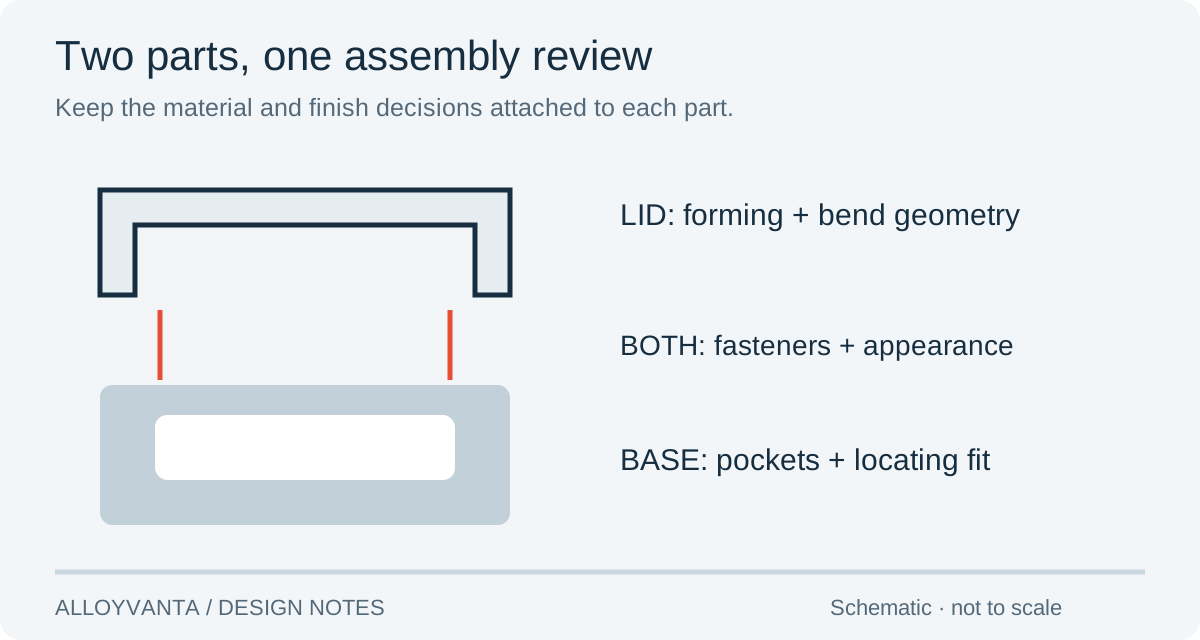
Our recommendation is to avoid a blanket material substitution across both parts. A proposed change to the base can leave the lid’s forming requirements untouched, or create a new finish-matching problem. Record the change by part number so an approval is not accidentally applied to the entire assembly.
Temper and welding change the question
Hydro’s 6061 data sheet distinguishes conditions for forming and explains that welding can reduce strength in the T6 weld region. If the design includes a welded joint, evaluate the joint’s required performance rather than carrying a parent-material value straight into the finished assembly.
For purchasing, write the complete designation and product form. If the supplier offers a different condition, ask what design or process decision changes. The aim is a reviewed alternative, not a silently shortened material note.
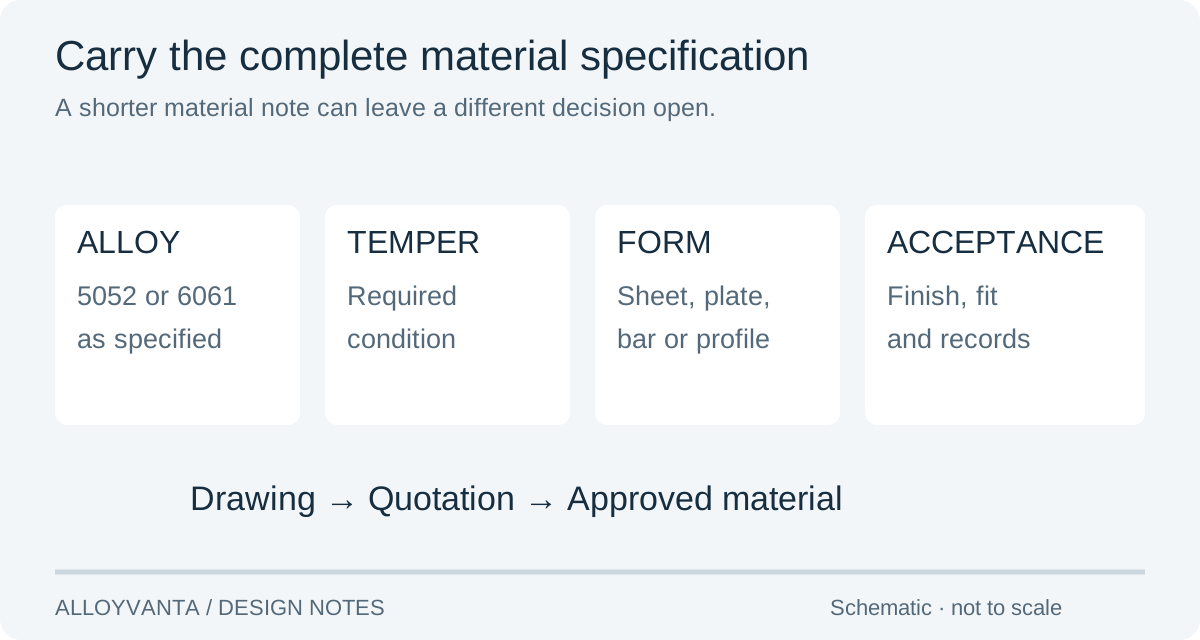
| Checkpoint | Useful evidence | Decision |
|---|---|---|
| Drawing review | Part function, interfaces and full material designation | Select the route and candidate material |
| Quotation | Offered grade, condition, finish and any substitution | Approve the actual manufacturing scope |
| Sample review | Fit, appearance and specified measurements | Release the accepted revision for the next batch |
Compare finished parts, not alloy names alone
If lid and base are both visible, show which surfaces must match and agree an appearance reference. Confirm coating or anodizing instructions around threads, electrical contacts and locating surfaces. A common color name alone leaves the acceptance method unclear.
Before requesting two quotations, keep the quantity, geometry, finish and inspection requirements aligned. If one quote changes the alloy and the other changes the construction method, ask for the alternatives to be identified explicitly. This makes the price comparison useful rather than hiding a design change inside the total.
Alloyvanta’s current aluminum machining references include 6061-T6, 6082-T6 and 7075-T6. For a 5052 sheet-metal inquiry, enter the required designation and thickness so availability and the offered condition can be confirmed in the quotation.
Frequently asked questions
Is 5052 always better for bending?
Evaluate the exact temper, thickness and bend geometry. Its forming characteristics make it a useful candidate, but an alloy name is not a bend-radius specification.
Can the lid and base use different aluminum alloys?
Yes, a design can specify different alloys by part number. Review joining, environment, finish and fit together before release.
Does this comparison confirm material stock?
The comparison helps design selection. Your quotation identifies the available material, condition and manufacturing route offered for your order.
Technical references
Method. The enclosure is a design-review example. Material selection and acceptance are made against the actual drawing and offered stock condition.