The decision the prototype must support
Include the requirement or identify it as an open question for the project review.
CAPABILITIES
Metal prototyping answers one question at a time: does it fit, does it work, is the material right. Samples are quoted from a single piece, in the material you intend to produce in.
Choose the prototype process around the question being tested. A visual model and a functional metal sample serve different purposes.
Typical part types: Fit checks, assemblies and design verification.
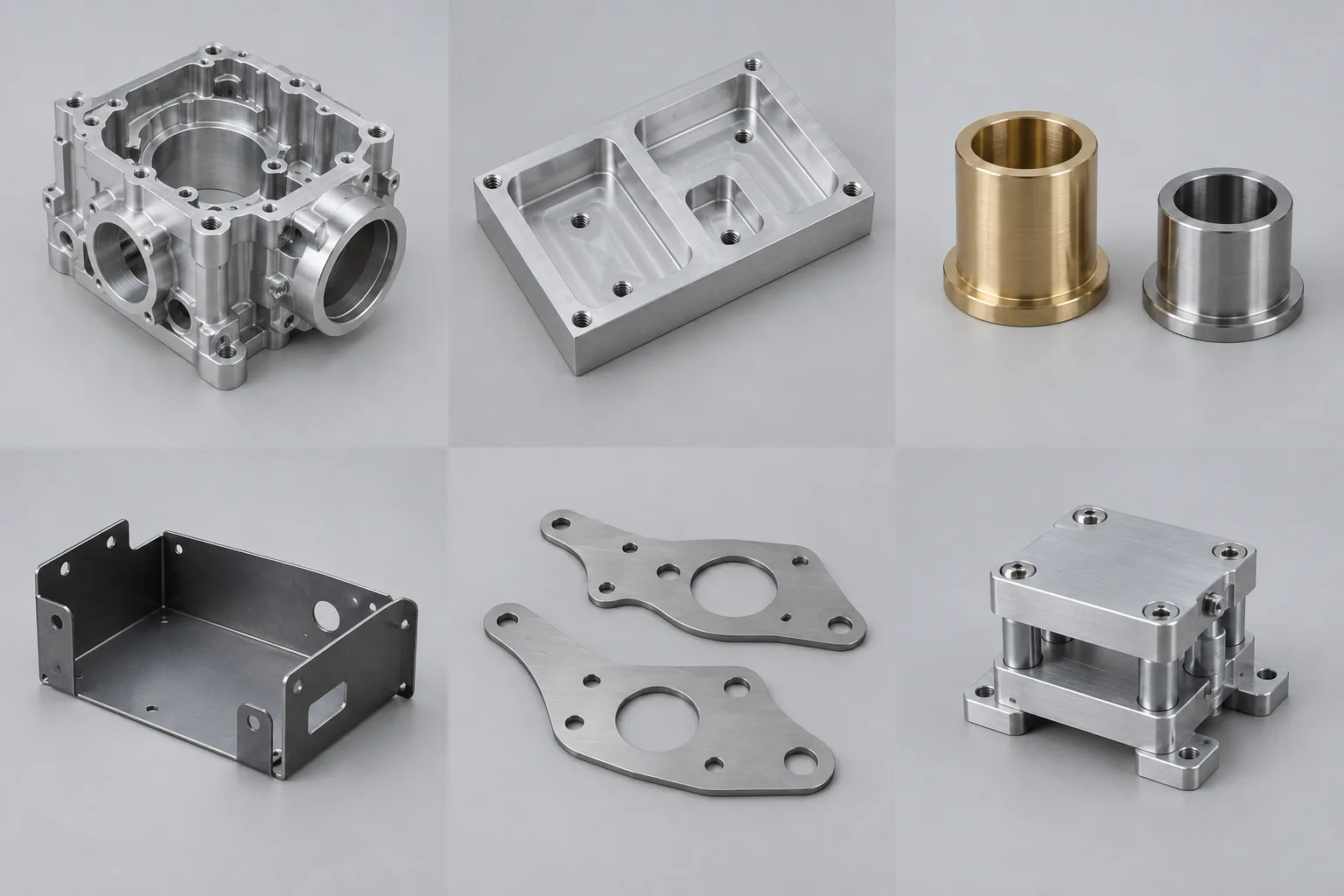
A prototype is worth making when it resolves something a drawing review cannot. That might be an interference you suspect but cannot see, an assembly sequence, a grip or handling question, or whether a wall thickness is adequate in the real material. Write that question down before the sample is quoted, because it decides the material, the finish and which features have to be accurate.
It also decides what approval means. A sample accepted for fit has not been accepted for surface appearance, and a sample accepted in one alloy has not qualified another. Agree which features the prototype is intended to validate.
| Aspect | Planning reference | What to agree before the sample |
|---|---|---|
| Process route | CNC milling, CNC turning or sheet metal | Choose the route around fit, function and the production material |
| Dimensions and tolerances | Follow the selected process and approved drawing | There is no separate universal prototyping tolerance |
| Approval scope | Fit, function, material and finish | Name the features and tests the sample is accepted against |
| Prototype quantity | From 1 piece | Samples are quoted individually, before any batch decision |
Buyers asking about small batch CNC machining usually mean one of two things: a handful of parts to test a design, or a first short run before committing to a product. We handle those differently. Production orders start at 100 pieces per part number, counted separately for each part. Prototypes and sample parts are quoted from a single piece. Design-only projects are quoted separately.
Be explicit about which stage you are at, because it changes the answer. If you expect a repeat order, say so during the sample stage: the fixture, the material form and the inspection scope can then be chosen with the later batch in mind instead of being reworked. Estimated delivery in 3–7 days after your order, drawings and required upfront payment are all confirmed. New customers pay in full; returning customers may pay the agreed deposit, with the balance paid before shipment.
There is no prototype tolerance that applies to every part. A machined sample follows the machining references, a folded sample follows the sheet-metal references. Choose the route first, then read the matching planning values: CNC milling for pockets and mounting features, CNC turning for diameters and threads, sheet metal fabrication for folded covers and enclosures. The full set is in the process parameter library.
If the prototype is meant to represent production, keep the production material and the significant features in the sample. Substituting a softer alloy or leaving a critical bore undersized tests a different part from the one you intend to order.
Record what was approved, against which drawing revision. When a change follows the sample, reference the revision in the discussion so both sides compare the same part — the assembly drawing and bill-of-materials guide covers keeping a file set on one revision. Agree the inspection scope for the batch in the quality and inspection discussion rather than after delivery.
Send the model, the question the sample must answer and the material you intend to produce in. First response within 12 hours. Our team is available 24/7.
PREPARE YOUR PROJECT
Include the requirement or identify it as an open question for the project review.
Include the requirement or identify it as an open question for the project review.
Include the requirement or identify it as an open question for the project review.
Identify the application before choosing a grade. Discuss material condition, critical surfaces and whether dimensions apply before or after finishing.
Browse the material libraryYOUR QUESTIONS, ANSWERED
Find practical answers before starting a project.
Name the tests and dimensions being accepted. Confirm which material, finish and features represent the next production version before approving the sample.
Choose “Help me choose” in the inquiry. Explain the application and environment so the options can be reviewed against the function of the part.
We provide a quotation within 24 hours. Estimated delivery is 3–7 days after the order, drawings and required upfront payment are all confirmed: full payment for new customers or the agreed deposit for returning customers. Returning customers pay the balance before shipment.
In-house service
These tables provide process-planning references, not measured limits for a specific machine or factory. Dimensions are in millimeters unless stated otherwise. We confirm the usable size, tolerance, material and inspection requirements together in your quotation.
| Parameter | Reference / planning value | Application |
|---|---|---|
| Process route | CNC milling, CNC turning or sheet metal | Select the route around fit, function and the intended production material. |
| Dimensions and tolerances | Follow the selected process and approved drawing | Use the corresponding machining or sheet-metal reference; there is no separate universal prototyping tolerance. |
| Approval scope | Fit, function, material and finish | Agree which features the prototype is intended to validate. |
| Prototype quantity | From 1 piece | Prototypes and sample parts are quoted individually. Follow-on production orders start at 100 pieces per part number. |
LET’S MAKE IT TANGIBLE
Bring a drawing. Bring a sketch. Start the conversation.